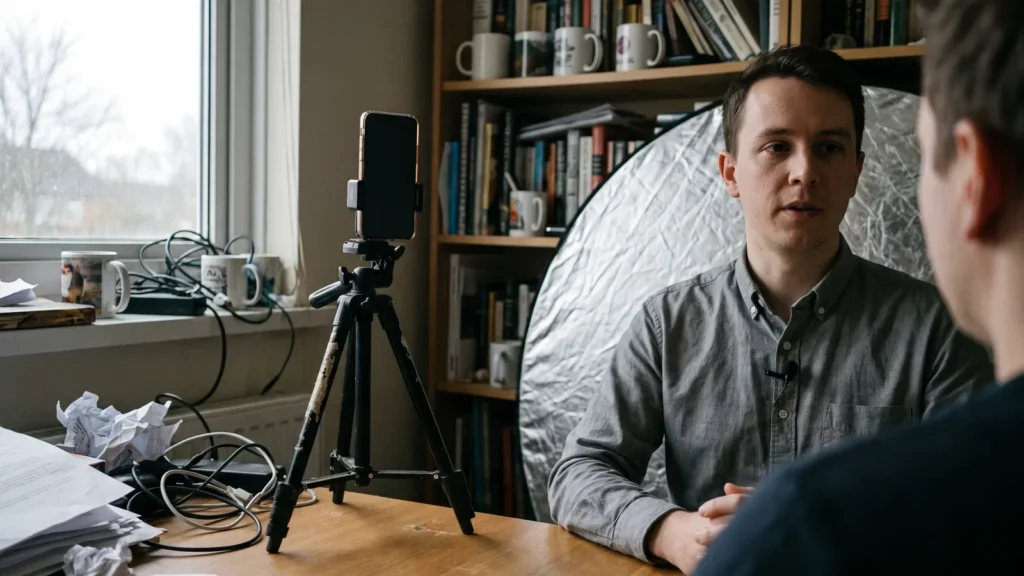
AI influencer marketing means brands running campaigns fronted by synthetic presenters or licensed digital twins of real models; US FTC rules treat them as endorsements, and EU AI Act Article 50 transparency duties require AI-generated content to be disclosed.
Fact level first: confirmed, reported, and not disclosed
Three layers run through every synthetic-presenter story, and collapsing them into one is how a brand ends up repeating a claim it cannot support. Sort them before you brief an agency or sign a vendor. The regulatory layer is documented; the brand-practice layer is mostly press coverage; the results layer is largely empty.
Confirmed by primary sources
- The Federal Trade Commission’s revised Endorsement Guides changed the definition of "endorsements" so that it clearly covers virtual influencers, fake reviews and social media tags.
- The FTC’s Consumer Reviews and Testimonials Rule has been in force since October 21, 2024, and lets courts impose civil penalties for knowing violations, according to the FTC’s own questions-and-answers page.
- The transparency duties in Article 50 of the EU AI Act, which cover deepfakes and AI-generated content, became enforceable on August 2, 2026, according to law firm Baker Botts.
Reported by the press, single source each
- H&M told CNN it would create 30 AI "digital twins" of its human models for marketing use, with the models keeping the rights to their twins.
- H&M’s stated disclosure method for that imagery is watermarking the pictures as AI-generated, as reported by Retail Optimiser.
Not disclosed by anyone
- What a model is paid each time a twin is used, and on what schedule.
- How long a likeness license runs and what happens at termination.
- Whether twin imagery converted better, worse or the same as photographed imagery.
- How much photography the program replaced, if any.
Keep that third list visible in your planning doc. It is the part your CFO will ask about, and the honest answer today is that the public record does not contain it.
From novelty act to routine ad production
Virtual presenters began as a fashion-and-gaming curiosity: CGI personas with social accounts, stylists, and brand deals that got written up as experiments rather than media buys. Production sat with 3D artists and motion studios. That kept the format rare and expensive.
Text-to-video avatar platforms moved the same output from a studio pipeline into a browser tab. A marketing manager can paste a script, pick a presenter, and export a short explainer the same afternoon, then re-export it in another language without rebooking anyone.
The practical pull is volume, not novelty. Product explainers per SKU, seasonal catalog refreshes, in-store screen loops, onboarding clips for retail staff — all formats where a human shoot is slow and the creative does not need a famous face. Several of the shipped campaigns collected in our roundup of AI in marketing examples that actually shipped follow that pattern: synthetic presenters for the long tail, human talent for the hero spot.
Fashion added a second model. Instead of inventing a persona, license a real model’s likeness and generate variants from it. That is the digital-twin approach, and it changes the legal questions from "is this person real?" to "who consented, who gets paid, and is the audience told?"
The problem: nobody can tell, and regulators noticed
A synthetic presenter in a 9:16 feed video is hard to identify as synthetic at thumb speed. Skin texture, hand movement and lip sync have improved to the point where the usual tells disappear under compression. Your audience is not running forensic analysis between two coffee breaks.
That creates a specific risk: a viewer reasonably believes a person tried the product and liked it. In the final Endorsement Guides document, 16 CFR Part 255, the Commission states that the expanded wording also reaches entities that do not exist but appear to give endorsements — that sentence is the legal hook for AI personas.
Platform policy is the second pressure point. Ad reviewers reject creatives that present synthetic testimonials as real customer footage, and appeals eat days you did not budget. The same disclosure habits that keep user-generated creative approved apply here, which is why the checks in our guide to making AI UGC ads that pass policy review overlap heavily with this one.
The third problem is internal. Once a likeness exists as a file, it can be reused by a regional team, a franchise partner or a reseller who never saw the contract. Scope creep in likeness rights is a contract problem before it is a technology problem.
What the rules actually say
Three instruments matter most for brands advertising in the US and the EU. Read them as separate obligations, not as one "AI rule."
| Instrument | Jurisdiction and who it covers | Core effect for synthetic presenters |
|---|---|---|
| FTC Endorsement Guides (16 CFR Part 255) | US advertising; advertisers, agencies, endorsers | The revised definition of "endorsements" clearly covers virtual influencers, fake reviews and social media tags, per the FTC |
| FTC Consumer Reviews and Testimonials Rule | US; sellers and anyone buying or writing reviews | Explicitly targets testimonials presented as coming from a person who does not exist, including AI-generated ones, per the FTC |
| EU AI Act, Article 50 | EU market; providers and deployers of AI systems | Transparency duties covering deepfakes and AI-generated content |
The EU timing is fixed: Article 50 transparency duties became enforceable on August 2, 2026, according to Baker Botts. Breaching the EU AI Act transparency rules can cost up to 15 million euros or 3% of worldwide annual turnover, whichever is higher, according to the same Baker Botts analysis.
US enforcement works differently. The FTC’s Consumer Reviews and Testimonials Rule lets courts impose civil penalties for knowing violations, which raises the stakes on "we didn’t know the agency generated that face."
Rules outside these two markets differ, and national advertising regulators in the UK, Canada and Australia apply their own codes to the same creative. Check the markets your media plan actually reaches, not just your head office. This is general information, not legal advice.
The setup brands are using: licensed twins, consent terms, visible labels
The pattern that has emerged in fashion and retail has three parts, and brands that skip any one of them carry the risk themselves.
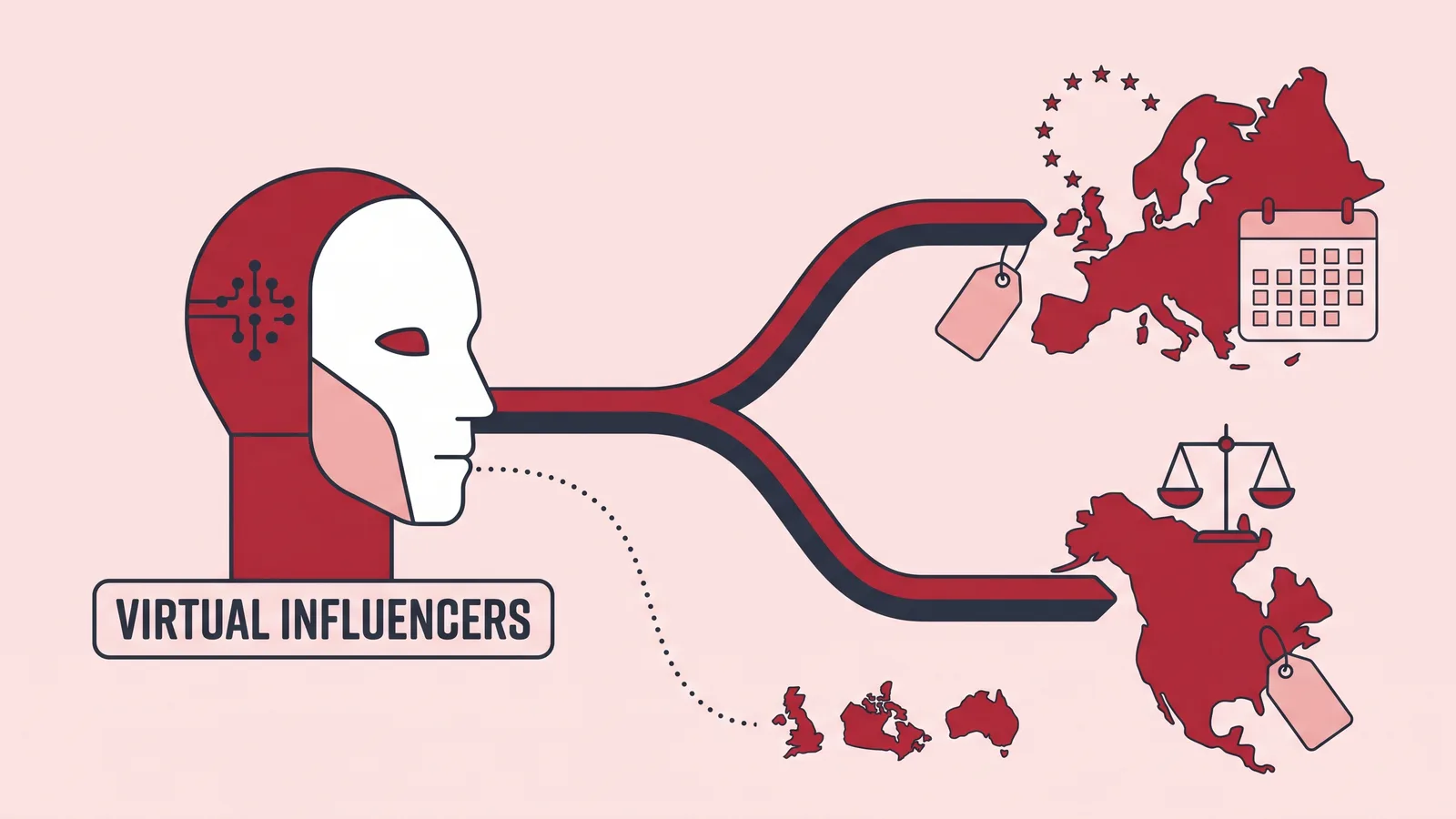
- Licensed digital twins instead of invented personas. A real model is scanned or photographed, a replica is built, and the model retains rights over the replica — the arrangement H&M described to CNN.
- Consent and payment terms written per use. Scope, territory, campaign duration, renewal, and an approval right over contexts the model can refuse.
- Visible AI labelling on the output. A watermark or in-frame label plus a caption line, so the disclosure survives a repost.
Example: a regional furniture retailer licenses two of its catalog models for twin creation, limits use to web and paid social in three markets for one season, pays a per-asset fee, and watermarks every generated frame. Nothing about that setup requires a famous persona or a 3D studio.
For teams making presenter videos without any model contract, a stock-avatar platform is the cheaper route. AI Studios is DeepBrain AI’s cloud platform for AI avatar videos, text-to-video and video translation, with text-to-speech voiceovers in 150+ languages and accents on paid plans and 30+ languages on the Free plan; it also lists ISO 27001 certification, SOC 2 Type II compliance and GDPR compliance, and membership of the Content Authenticity Initiative, which matters if provenance metadata is part of your disclosure plan.
Its limit is scope. A tool generates and voices a presenter; it does not negotiate likeness rights, set a model’s fee, or carry your disclosure obligation. Unlimited custom avatars sit on the Enterprise plan, which uses custom pricing (as of October 2026), so a small team wanting many branded faces should price that path before committing. When the campaign hero is a named human whose face is the brand asset, book the shoot.
Results and limits: what H&M’s rollout shows
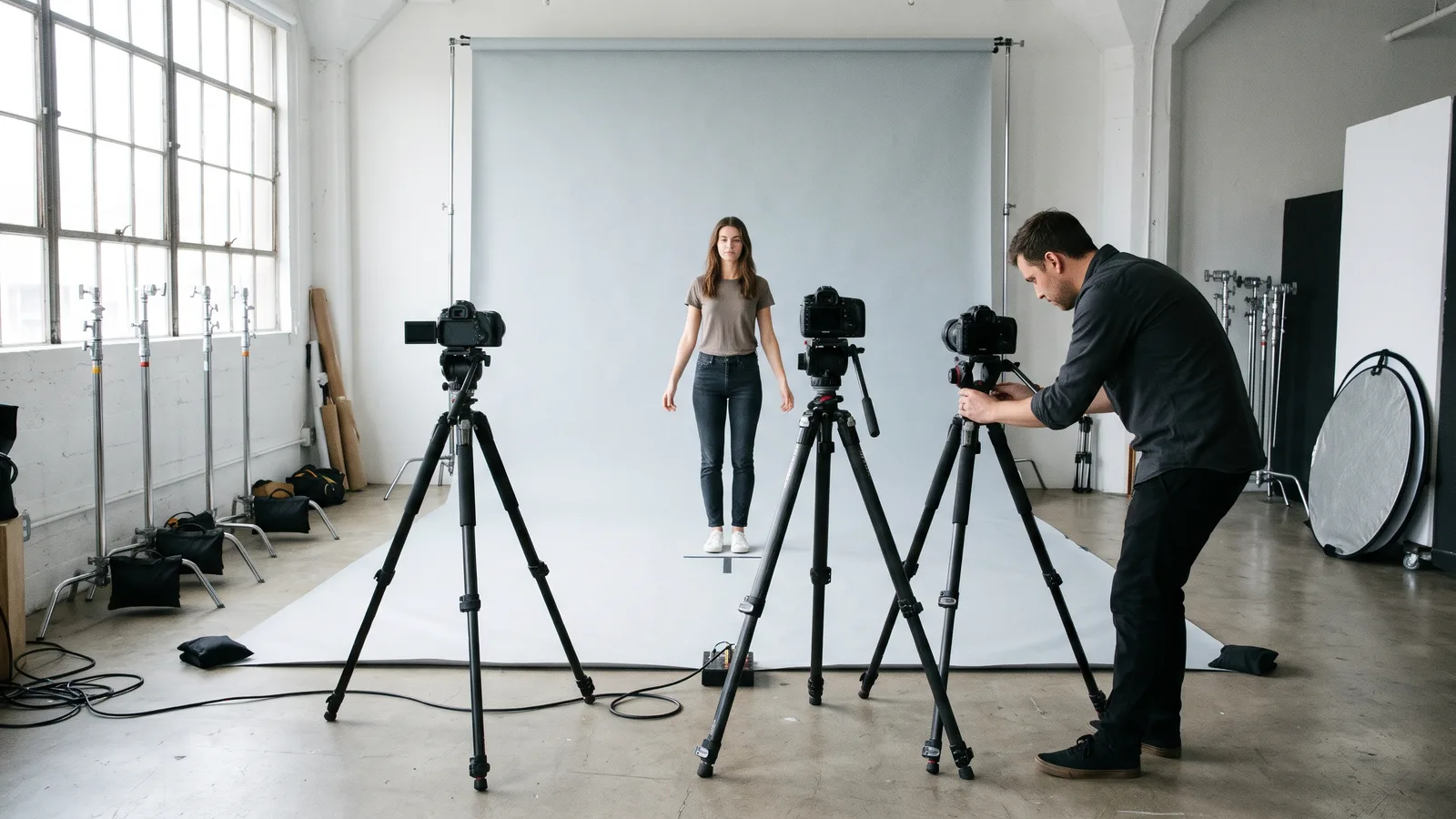
The measurable change in the H&M case is production structure, not performance.
| Before | After, as reported | |
|---|---|---|
| AI replicas of its own models | none in marketing use | 30 digital twins, with models keeping the rights (CNN) |
| Likeness control | per-shoot usage terms | rights retained by each model over her twin (CNN) |
| Audience disclosure | not applicable | watermarking the images as AI-generated (Retail Optimiser) |
What that does not tell you: click-through, sell-through, returns, brand-trust movement, or how many photo shoots were replaced. None of it has been published. Treat any agency deck claiming a conversion lift from digital twins as unsourced until it names a study.
For the furniture-retailer setup above, the honest framing is "expected by design": more usable product images per license, faster seasonal refreshes, and one disclosure method applied consistently. Those are structural outcomes you can verify in your own asset counts, not performance claims.
Two limits deserve a line in your plan. Model and talent groups have criticized the trend publicly, so your employer brand is part of the risk calculation. And a watermark only works if your downstream teams keep it — crops, reposts and partner feeds strip labels routinely, which is a workflow problem worth solving before launch, alongside the per-platform habits in our social video plan for five feeds.
Related real cases
H&M’s 30 digital twins. H&M told CNN it would create 30 AI digital twins of its human models for marketing use, with the models keeping the rights to their twins — the clearest public example of consent-first likeness licensing at scale (CNN, March 2025).
The H&M–Uncut vendor setup. The programme runs with a named external vendor, the Swedish AI provider Uncut, which builds the digital replicas of the 30 models, according to Sourcing Journal. Naming the vendor matters for procurement: someone has to hold the data-processing terms and the deletion obligations for the scans.
Watermarked AI campaign imagery. H&M’s stated disclosure method for the digital-twin pictures is watermarking them as AI-generated, as reported by Retail Optimiser. That is a brand-level policy decision, made before regulators required a specific label format, and it is the simplest version to copy.
If you are deciding which parts of your creative pipeline a synthetic presenter should touch at all, the trade-offs between shooting, outsourcing and generating are laid out in our comparison of agency, freelancers or AI for marketing video production.
This article is general information, not legal advice; confirm obligations for each market with counsel.
Frequently asked questions
Do I legally have to label an AI influencer as AI?
In the EU, Article 50 transparency duties for deepfakes and AI-generated content apply, and Baker Botts notes breaches can cost up to 15 million euros or 3% of worldwide annual turnover, whichever is higher. In the US the FTC frames it as deception: if a synthetic presenter would mislead a reasonable consumer about who is endorsing, disclose it.
Are AI-generated testimonials and reviews treated differently from AI presenters?
Yes. The FTC’s Rule on the Use of Consumer Reviews and Testimonials explicitly targets testimonials presented as coming from a person who does not exist, including AI-generated ones, and the FTC says courts can impose civil penalties for knowing violations. A synthetic presenter reading brand copy is an ad; a synthetic person claiming personal experience is a fake testimonial.
What should a digital-twin contract with a model cover?
Put six things in writing: which assets the twin may appear in, which territories and channels, the campaign window and renewal terms, the fee per use or per period, contexts the model can refuse, and a deletion obligation for the underlying scans when the license ends. Name the vendor holding the files.
Can a small business use a virtual presenter without licensing a real model?
Yes, by using a platform’s stock avatars rather than someone’s likeness. AI Studios, for example, creates avatar videos from a script, a topic prompt, a web URL, uploaded documents or a product page, and supports voice cloning from a short recording — which itself needs consent from whoever owns that voice.
Where should the AI disclosure actually appear?
Put it where a repost cannot strip it: inside the frame as a visible label, in the caption, and in the platform’s own AI-content toggle where one exists. Provenance metadata is a useful fourth layer, but assume crops and screen recordings will remove anything that lives only in the file header. See the labelling section above for how brands combine them.
Sources
- Federal Trade Commission Announces Updated Advertising Guides to Combat Deceptive Reviews and Endorsements (FTC)
- Guides Concerning the Use of Endorsements and Testimonials in Advertising, 16 CFR Part 255 (FTC)
- Federal Trade Commission Announces Final Rule Banning Fake Reviews and Testimonials (FTC)
- The Consumer Reviews and Testimonials Rule: Questions and Answers (FTC)
- EU AI Act Article 50 Transparency Obligations Go Live (Baker Botts)
- Fashion giant H&M plans to use AI clones of its models. Not everyone is happy (CNN)
- H&M Uses Digital Twins of Professional Models to Showcase Denim Designs (Sourcing Journal via Yahoo)
- H&M plans to advertise with digital twins of models (Retail Optimiser)
Written with AI assistance and fact-checked against the sources cited above before the AI Marketings Editorial Team published it.